

Access to clean water and adequate sanitation is essential for public health and community well-being. In many regions, particularly in rural or underserved areas, traditional infrastructure may be lacking. This is where well drilling and portable restrooms play a vital role in ensuring that communities have the necessary resources to thrive.
Understanding Well Drilling
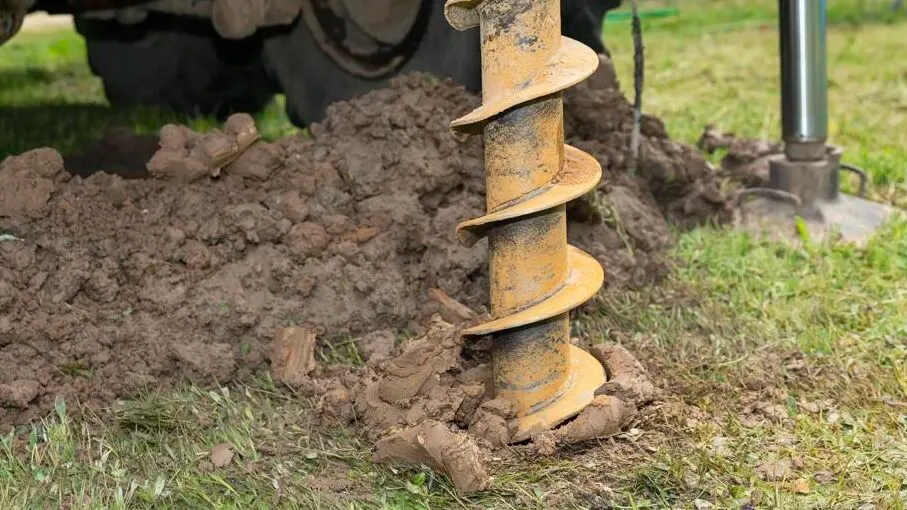
Well drilling is a process that provides access to groundwater, a critical resource for drinking, irrigation, and sanitation. Groundwater often represents the most reliable and clean source of water, especially in areas where surface water may be contaminated or scarce. The well drilling process involves several stages, including site assessment, drilling, casing installation, and water testing.
Importance of Well Drilling
- Reliable Water Supply: For many communities, especially in rural areas, well drilling ensures a dependable source of clean water. Unlike municipal systems, which can be disrupted, wells can provide water year-round if properly maintained.
- Cost-Effective Solution: Over time, drilling a well can be more economical than relying on municipal water supplies, particularly for agriculture or large properties. The initial investment may be higher, but the long-term savings on water bills can be significant.
- Environmental Sustainability: Properly managed wells help to protect local ecosystems by reducing the demand on surface water sources. Well drilling can be a more sustainable option, particularly when combined with responsible water management practices.
Challenges of Well Drilling
Despite its advantages, well drilling is not without challenges. The process requires skilled labor, and the quality of groundwater can vary significantly. Additionally, the drilling process can be costly and may not always yield adequate water supplies. It is crucial for communities to engage qualified professionals to ensure that the well drilling is done correctly and sustainably.
The Role of Portable Restrooms
While access to clean water is crucial, sanitation is equally important. Portable restrooms provide an immediate solution for sanitation needs in various situations, from construction sites to large outdoor events. These facilities ensure that people have access to hygienic restroom options, which can help prevent the spread of disease and promote overall public health.
Benefits of Portable Restrooms
- Hygiene and Health: Portable restrooms are designed to meet health standards, providing a clean and safe environment for users. This is particularly important in locations where traditional restroom facilities are not available.
- Convenience: They offer flexibility for events and construction projects. Portable restrooms can be placed strategically to meet the needs of users, regardless of the location.
- Cost-Effective Solution: Renting portable restrooms can be more economical than building permanent facilities, especially for temporary events or projects. They eliminate the need for extensive plumbing or construction costs.
Challenges of Portable Restrooms
Despite their benefits, portable restrooms can face some challenges. They require regular maintenance and servicing to ensure cleanliness and functionality. Poorly maintained units can lead to unsanitary conditions, which can undermine their intended purpose. Therefore, it is essential to work with reputable service providers who prioritize hygiene and maintenance.
Integrating Well Drilling and Portable Restrooms for Community Health
When combined, well drilling and portable restrooms can significantly improve community health outcomes. Access to clean water from wells ensures that individuals can maintain proper hygiene, which is essential for disease prevention. Meanwhile, portable restrooms offer immediate sanitation solutions, particularly in situations where traditional facilities are lacking.
Case Studies and Examples
Many communities have successfully implemented both well drilling and portable restrooms to address water supply and sanitation needs. For example, during community events, organizers often deploy portable restrooms while ensuring access to water stations sourced from nearby wells. This integration not only facilitates a better experience for attendees but also fosters a culture of health and hygiene.
In rural development projects, well drilling is often coupled with the installation of portable restroom facilities in schools and community centers. This dual approach helps promote better health practices among residents, especially children, who are more vulnerable to the effects of poor sanitation.
Conclusion
Water supply and sanitation are foundational elements for community health and sustainability. Well drilling provides a reliable source of clean water, while portable restrooms ensure access to sanitation in various settings. Together, these solutions create a robust framework for public health, helping communities thrive even in the face of challenges. By investing in well drilling and portable restroom facilities, we can foster healthier, more resilient communities equipped to meet their needs now and in the future.