

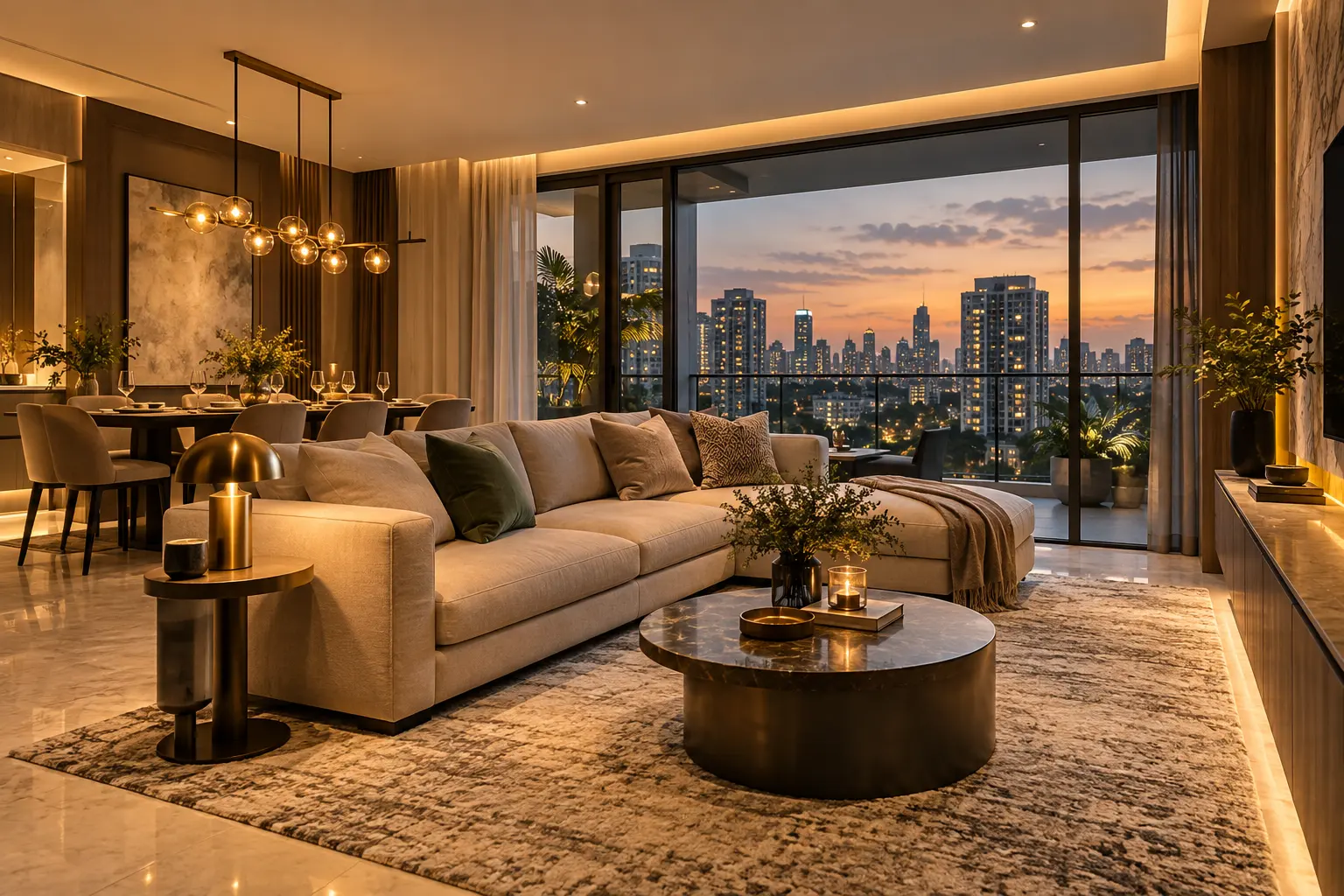
A beautifully furnished showflat can make a new condominium appear more spacious, practical and appealing than expected. However, purchasing a new launch property is a significant financial commitment, and buyers should look beyond attractive interiors before making a decision.
In Singapore, new condominium developments are often marketed through showflats, architectural models, brochures and virtual presentations. These materials help prospective purchasers understand a project, but they do not replace careful examination of the actual unit specifications, approved plans and surrounding environment.
Knowing what to investigate can help buyers distinguish genuine property advantages from presentation techniques.
1. Start With the Floor Plan, Not the Furniture
One common mistake among first-time condominium buyers is judging a unit primarily by its showflat appearance. Interior designers often use carefully selected furniture, mirrors, lighting and colour schemes to create an attractive living environment.
Instead, request the actual floor plan for the specific unit type being considered.
Pay attention to the following details:
- Bedroom dimensions: Check whether the rooms can accommodate practical furniture arrangements, including wardrobes and beds.
- Living and dining areas: Consider whether both spaces can function comfortably without obstructing movement.
- Kitchen configuration: Examine available countertop space, storage opportunities and the separation between cooking and dining areas.
- Balcony allocation: Determine whether the outdoor area provides meaningful lifestyle value relative to its contribution to the total floor area.
- Air-conditioning ledge: Understand how much space is allocated to equipment rather than everyday living.
Buyers should also examine the breakdown of the unit’s strata area. A larger advertised floor area does not necessarily translate into proportionately more usable interior space.
The Urban Redevelopment Authority (URA) provides guidance on the information and plans buyers should review when visiting a showflat. Its requirements include displaying relevant floor plans and information about the depicted unit.
2. Look Beyond the Development’s Architectural Model
A condominium model can provide a useful overview of building placement, landscaping and shared facilities. However, buyers should study the site plan rather than relying entirely on the miniature representation.
Consider the relationship between residential blocks, swimming pools, recreational spaces, access roads and neighbouring buildings.
For example, a unit facing a communal facility may offer convenient access, but it could also experience greater activity and noise during certain periods. Similarly, units overlooking neighbouring developments may have different privacy and natural lighting characteristics.
The orientation of a particular stack deserves attention too. Buyers should understand how sunlight enters the unit at different times of the day and whether nearby structures could affect ventilation or views.
For developments in northern Singapore, surrounding amenities and transport arrangements can also influence the overall residential experience.
The planned Chencharu Central Residences in Yishun provides an interesting example of mixed-use planning. Located at Chencharu Close, the private residential development is planned to include up to approximately 875 homes alongside a hawker centre, bus interchange and retail facilities.
Such an arrangement may offer everyday convenience, although buyers should still examine the positioning of individual residential stacks and communal areas when the relevant plans become available.
3. Identify What Is Included and What Is Merely Displayed
Another important part of showflat evaluation involves distinguishing standard provisions from decorative additions.
A show unit may contain customised cabinetry, designer lighting, loose furniture, decorative wall finishes and appliances. Not everything displayed necessarily forms part of the purchase.
Ask the sales representative to clarify:
- Which kitchen appliances are included?
- Are bedroom wardrobes provided?
- What flooring materials will be installed?
- Are bathroom fittings included as displayed?
- Which lighting fixtures and built-in cabinets come with the unit?
- Are there differences between the showflat and the actual approved unit plan?
Request written specifications rather than relying solely on verbal explanations.
Singapore’s Housing Developers (Show Unit) Rules require relevant information about materials, finishes, fittings and appliances to be displayed. Buyers should nevertheless examine the documentation for their selected unit carefully.
4. Visit the Actual Neighbourhood Before Making a Commitment
A showflat presents the proposed development, but it cannot fully communicate the atmosphere of its surrounding neighbourhood.
Whenever possible, visit the actual development site and explore the surrounding streets. Observe traffic conditions, pedestrian accessibility, nearby construction activity and the distance to public transport.
For instance, Fablewoode Residences is a planned executive condominium on Sembawang Road, with approximately 265 low-rise homes. Its reported location is around 0.5km from Canberra MRT station, while the Sungei Simpang Kanan park connector is next to the development.
These features offer useful starting points for evaluating the neighbourhood. Prospective buyers can independently assess walking routes, surrounding amenities and whether the environment matches their lifestyle expectations.
Consider visiting during different periods, particularly weekday mornings and evenings. This provides a more realistic impression of commuting conditions and neighbourhood activity.
5. Ask the Questions That Marketing Materials Cannot Answer
Before expressing serious interest in a unit, prepare questions covering ownership costs, project arrangements and purchasing procedures.
Find out about maintenance fees, payment milestones, the estimated allocation of facilities and any conditions affecting the selected unit.
For an uncompleted residential development, buyers should also understand the Option to Purchase (OTP), Sale and Purchase Agreement and applicable payment obligations.
The URA Home Buyers’ Guide explains the main stages involved in purchasing an uncompleted private residential property, from preliminary checks to collecting the keys.
Do not rush into a booking simply because a particular unit appears attractive or sales representatives highlight limited availability. Take sufficient time to review the relevant documents and seek independent professional advice where necessary.
A Better Way to Approach Your Next Showflat Visit
A successful showflat visit should leave buyers with a clearer understanding of the property, not simply a favourable impression of its interior design.
Compare floor plans, inspect the site layout, verify included fittings and explore the actual neighbourhood. Most importantly, assess whether the unit offers practical value for its purchase cost and intended use.
Careful preparation allows buyers to make decisions based on documented information and everyday suitability rather than presentation alone.